Are Compact Sedans Dead in India? What the Tata Aeris Tells Us
By AUTOASTRA Editorial · 11 Oct 2026 · News
Hatchbacks may be fading, but the compact sedan refuses to die. The Tata Aeris shows why this price band still matters to first-time buyers.
The Obituary Was Premature
Every few months, someone writes the obituary of the small car in India. The argument is familiar: SUVs now account for more than 60% of passenger vehicle sales, hatchbacks have shrunk from a dominant share to a niche, and buyers will stretch their budget for road presence every time. On that logic, the compact sedan should have been dead years ago, squeezed from below by premium hatchbacks and from above by entry SUVs. And yet Tata Motors has just replaced a successful sedan nameplate with a new one, begun deliveries on the first day of Navratri, and priced it from Rs 5.29 lakh.
That is not the behaviour of a company writing off a segment. It is the behaviour of a company that has spotted something the SUV narrative misses.

Why the Sedan Still Sells
The compact sedan survives because it does one thing no hatchback or small SUV does as cheaply: it offers a proper boot, a comfortable back seat and the social signal of a three-box car for not much more than a premium hatchback. For a family upgrading from a two-wheeler, or a first-time buyer who wants to look like they have arrived, that combination is hard to beat. Add a factory CNG option and the running cost becomes among the lowest of any car on sale.
| Buyer type | What they want | Why the sedan fits |
|---|---|---|
| First-time car buyer | Low price, low running cost | Cheapest way into a three-box car with CNG |
| Small family | Boot space and back-seat comfort | Bigger usable space than a same-price hatchback |
| Cab and fleet user | Durability and mileage | Proven platforms and cheap spares |
The Aeris Argument
The Tata Aeris is the strongest recent test of this thesis. It keeps the Tigor's proven mechanicals but adds a modern cabin, a large touchscreen, a 360-degree camera, ventilated seats and standard six airbags. Crucially, it offers CNG with an AMT, a combination that lets a cost-conscious buyer get both low fuel bills and the convenience of an automatic. That is a sharper product than a generic facelift, and it is aimed squarely at the Dzire, Amaze and Aura.
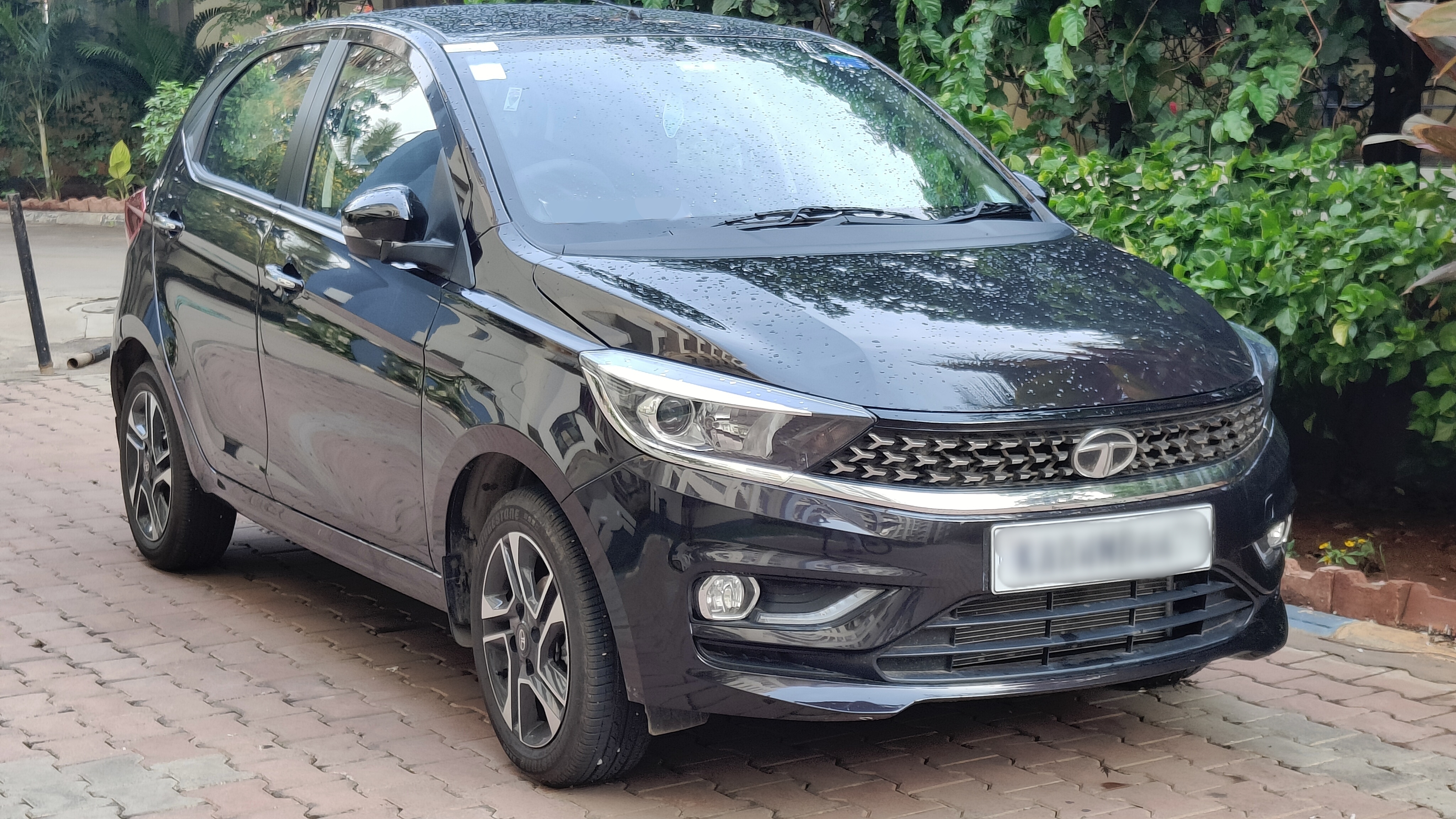
The wider context helps Tata. The compact sedan segment has quietly consolidated around a few strong names, and any brand that offers a genuinely better value proposition can take share. Tata also gets a halo effect: a well-priced sedan brings first-time buyers into its showrooms, where they can be upsold to a Punch or Nexon SUV later.
The Real Threat
The sedans are not dying, but they are being squeezed, and the pressure is real. Entry SUVs like the Tata Punch and Renault Kiger now start close to compact sedan prices, and buyers increasingly prefer the higher seating position. If fuel prices rise sharply, or if the GST advantage on small cars narrows, the sedan's value case could weaken again. The segment's future depends on manufacturers continuing to invest in it rather than treating it as a legacy product.
The Tata Aeris, arriving just as the festive season begins, suggests at least one major player is still willing to fight for this segment. That is reason enough to stop writing its obituary, at least for now.
If you are weighing a compact sedan against a small SUV, our Compare tool and Car Finder can put them side by side, and the EMI Calculator shows what each really costs every month. For the latest launch and price updates, keep an eye on our News section.
(Sources: Tata Motors Aeris launch and delivery details, Autocar India and CarWale data, FADA September 2026 retail figures. Image credits: Maruti Suzuki Dzire and Tata Tiago photos via Wikimedia Commons, CC BY-SA 4.0.)
Related Articles
- Why Luxury Car Buyers Are Losing the GST 2.0 Benefit
- Are Festive Special Editions Worth It? The ₹70,000 Question Indian Car Buyers Keep Asking
- VinFast in India — Can Vietnam's EV Giant Actually Become a Volume Brand Here?
- Battery-as-a-Service Is Rewriting How India Buys EVs — And It Is Not Just a Discount
More on AUTOASTRA: All Articles · News · Reviews · Fuel Prices · Home