Battery-as-a-Service Is Rewriting How India Buys EVs — And It Is Not Just a Discount
By AUTOASTRA Editorial · 10 Oct 2026 · Electric
Battery-as-a-Service plans cut EV prices by lakhs upfront but add per-kilometre costs. Here is how to tell if BaaS actually saves you money.
The Number That Makes an EV Look Cheap
Walk into an MG showroom today and you can drive out an electric car for under ₹10 lakh. Look closer and you will see why: that price does not include the battery. You are buying a car and renting the most expensive part of it, paying per kilometre instead. This is Battery-as-a-Service, or BaaS, and it is quietly becoming one of the most important — and most misunderstood — ideas in the Indian electric car market.
What BaaS Actually Is
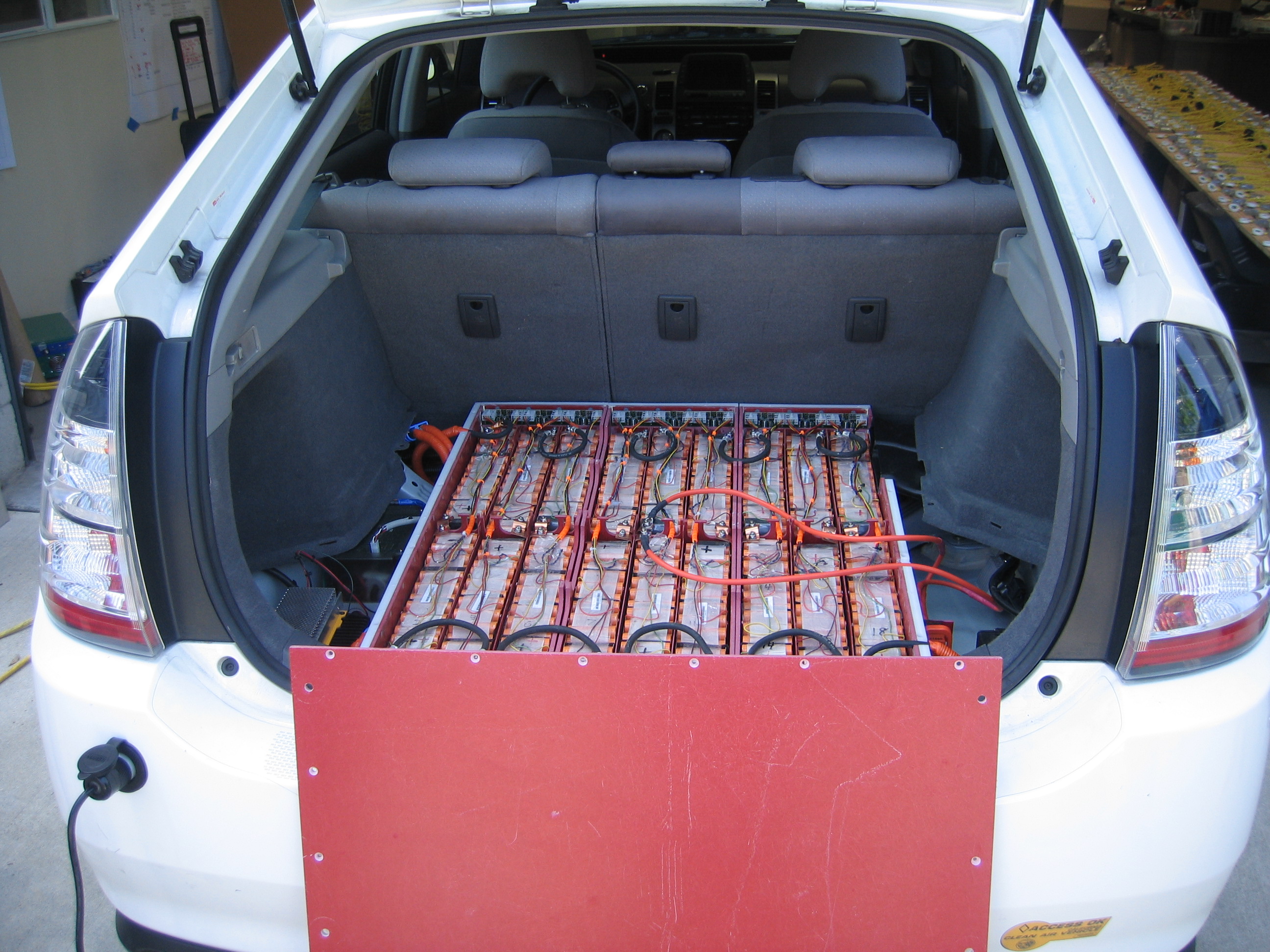
The logic is straightforward. A battery can account for 30 to 40 percent of an electric car's cost, and it is also the part that degrades. BaaS separates the two: you buy the car at a lower price, and pay a fixed rate per kilometre for the battery, which stays under the manufacturer's ownership and warranty. If the battery degrades, that is the company's problem, not yours. On paper, everyone wins — the buyer gets a cheaper entry point and protection from degradation risk, and the maker keeps a recurring revenue stream.
| Model | Outright price (from) | BaaS price (from) | Per-km charge |
|---|---|---|---|
| MG Windsor EV | ₹14,84,800 | ₹9.99 lakh | ₹3.99 per km |
| MG Hector Tomahawk EV | ₹13.99 lakh | ₹13.99 lakh plus battery plan | ₹4.90 per km |
| MG Hector Tomahawk PHEV | ₹21.79 lakh | ₹21.79 lakh plus battery plan | ₹3.20 per km |
The Catch Is in the Arithmetic
Here is where most buyers stop thinking and start signing. On the MG Windsor EV, the gap between the outright price and the BaaS price is roughly ₹4.85 lakh. At ₹3.99 per kilometre, that gap only closes after you have driven about 1.2 lakh kilometres. Drive 15,000 km a year and you will need eight years to break even. Drive 10,000 km a year and you may never break even at all — you will simply have paid more, in smaller instalments, for the convenience of a lower showroom price.
BaaS is not a discount. It is a financing structure with a per-kilometre meter running. For a high-mileage city commuter or a fleet operator, that meter can still work out cheaper than a large upfront loan, especially when you factor in the value of never worrying about battery health. For a low-mileage second-car buyer, it usually costs more over the life of the car.

Why Manufacturers Love It
For carmakers, BaaS is attractive for reasons that go beyond selling cars. It creates a recurring revenue stream, keeps the battery under company control so it can be refurbished and reused, and ties the customer to the brand for the life of the plan. It also lets a manufacturer advertise a lower entry price without actually cutting margin, a marketing advantage that is hard to resist in a price-sensitive market like India.
There is a genuine environmental argument too. Centralised battery ownership makes it easier to recycle packs at the end of their life, and standardised battery swapping could, in theory, cut charging downtime for high-mileage users. That is a real benefit, but it depends on infrastructure that is still thin in most Indian cities.
The Fine Print That Bites
Two clauses decide whether BaaS works for you. The first is the mileage cap: most plans assume an annual distance, and exceeding it can trigger penalties that erase the upfront saving. The second is the exit: if you sell the car or end the plan early, you may owe a settlement that wipes out the advantage of the lower price. Read the agreement as carefully as you would a loan, because functionally, that is what it is.
None of this makes BaaS a bad idea. It makes it a tool, and tools only help when you know what you are building. For the right buyer, it is one of the smartest ways to get into an electric car today.
What to Ask Before You Choose BaaS
Ask three questions. First, what is the per-kilometre rate, and does it change over time? Second, what happens if you exceed or fall short of your estimated mileage? Third, what happens at the end of the term — do you hand the battery back, buy it out, or roll into a new plan? The answers decide whether BaaS is a smart hedge or an expensive rental.
The bigger significance is what BaaS signals. Indian EV makers are no longer competing only on range and charging speed; they are competing on how cleverly they can lower the barrier to entry. That is healthy for adoption, but it also means the sticker price you see is less honest than ever. The true cost of an electric car now lives in the fine print, and the buyers who read it carefully are the ones who save. Run your own numbers on our EV running-cost calculator and ownership value tools before you decide.
(Sources: JSW MG Motor India official Windsor EV pricing as of 09/10/2026, MG Hector Tomahawk launch data, AUTOINDIA analysis. Images: Wikimedia Commons, CC BY-SA 4.0 and Attribution licence.)
Related Articles
- Why Luxury Car Buyers Are Losing the GST 2.0 Benefit
- Are Festive Special Editions Worth It? The ₹70,000 Question Indian Car Buyers Keep Asking
- VinFast in India — Can Vietnam's EV Giant Actually Become a Volume Brand Here?
- Are Compact Sedans Dead in India? What the Tata Aeris Tells Us
More on AUTOASTRA: All Articles · News · Reviews · Fuel Prices · Home