Automakers Seek 2035 Deadline for BS-VII Brake and Tyre Emission Norms
By AUTOASTRA Editorial · 22 Oct 2026 · Policy
Automakers have asked the government to delay BS-VII brake and tyre emission rules to April 2035, citing supplier readiness and unclear testing standards as the draft norms propose a 2031 start.
Why BS-VII Is About Brakes and Tyres, Not Just Exhausts
India's proposed BS-VII emission norms extend regulation beyond the tailpipe for the first time. The Ministry of Road Transport and Highways issued the draft rules on 13 October 2026, and they propose tyre-abrasion requirements and brake-particle emission limits for passenger cars from April 2031. That matters because brake and tyre particles are released even by vehicles with no exhaust at all, including battery-electric cars.

Under the draft, the brake-particle PM10 limit is 3 milligrams per kilometre for pure electric cars and 7 mg/km for other specified vehicles, including petrol and diesel models. From 1 April 2035, the limit would tighten to 3 mg/km for all covered passenger cars. The numerical limits for tyre abrasion have not been notified yet.
What Automakers Are Asking For
The Society of Indian Automobile Manufacturers (SIAM), the industry body representing carmakers, has told the ministry that both the tyre-abrasion and brake-particle requirements should take effect from April 2035 instead, and only after substantial feedback on whether suppliers are ready. Industry executives say suppliers need to know exactly how particles will be measured and what limits their products must meet before they can test existing parts, develop new materials or invest in equipment. Vehicle-makers would then have to validate those components as part of a complete vehicle.
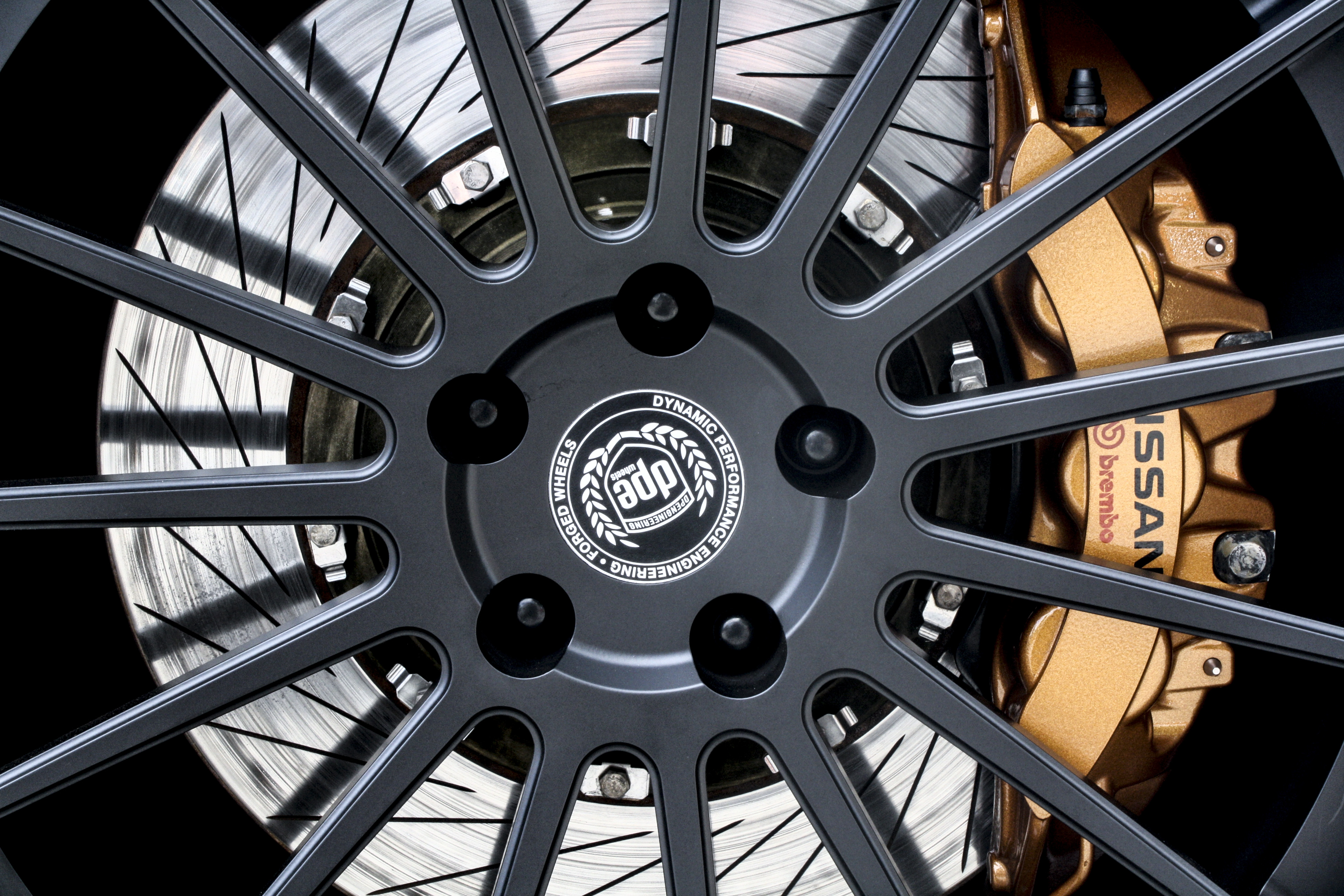
BS-VII Brake Limits at a Glance
| Vehicle type | Proposed PM10 brake limit | Proposed start |
|---|---|---|
| Pure electric cars | 3 mg/km | April 2031 |
| Petrol and diesel cars | 7 mg/km | April 2031 |
| All covered cars | 3 mg/km | April 2035 |
| Tyre abrasion | Limits not yet notified | Under discussion |
The industry's argument draws on Europe's experience. When the European Commission proposed Euro 7 in November 2022, it wanted the rules to apply to new car types from July 2025. The European Automobile Manufacturers' Association called that too short and asked for at least three years after the full technical package was finalised. The EU eventually adopted Euro 7 in April 2024 with a phased rollout: from November 2026 for newly introduced models and November 2027 for all new cars, with tyre-abrasion limits on a separate, later timeline.

What This Means for You
Nothing changes for buyers this festive season, and no price impact is immediate. But the direction is clear: future cars will be regulated for what their brakes and tyres emit, not only what comes out of the exhaust. That will add cost and complexity for manufacturers, and some of it will eventually show up in showroom prices. The longer the government waits for supplier readiness, the smoother that transition is likely to be. SIAM and the ministry had not responded to questions at the time of writing.
(Sources: Business Standard report on SIAM's submission to MoRTH, 21 October 2026; MoRTH draft BS-7 norms issued 13 October 2026. Images: Wikimedia Commons, CC BY-SA 4.0 and CC BY 2.0.)
::KEY_NUMBERS:: Draft BS-7 issued | 13 Oct 2026 Proposed brake limit for EVs | 3 mg/km For petrol and diesel | 7 mg/km SIAM's proposed start | April 2035 ::TLDR:: MoRTH issued draft BS-7 rules on 13 October 2026 Brake-particle and tyre-abrasion limits for cars were proposed from April 2031 SIAM wants both introduced from April 2035 after supplier readiness is confirmed The rules cover non-exhaust pollution, which affects EVs too ::CHART:: type: bar title: Proposed PM10 brake-particle limits (mg/km) labels: EVs from 2031,Petrol and diesel from 2031,All cars from 2035 values: 3,7,3 source: MoRTH draft BS-7 norms ::TIMELINE:: 13 Oct 2026 | MoRTH issues draft BS-7 norms Nov 2022 | European Commission proposes Euro 7 Apr 2024 | EU adopts final Euro 7 with a phased rollout ::GLOSSARY:: PM10 | airborne particles 10 micrometres or smaller Tyre abrasion | particles shed as a tyre rolls on the road BS-VII | the next stage of India's Bharat Stage emission norms ::PULLQUOTE:: Being able to develop a solution is not the same as knowing exactly what standard a product must pass or how it will be tested. ::SOURCES:: SIAM submission to MoRTH, Business StandardRelated Articles
- Chery's iCAUR V25 Revealed — A Boxy Electric SUV With a Range Extender and a JSW India Link
- Hyundai Bayon India Launch on 26 October — Price, 115 PS Engine, AI Assistant and Level 2 Pro ADAS
- Ultraviolette VX-100 Platform Debuts — Four New EVs in 12 Months, Including the Tesseract Scooter
- Bajaj Pulsar N250SS Launched at ₹1.59 Lakh — Four-Valve Engine, Six-Speed Gearbox and a TFT Console
More on AUTOASTRA: All Articles · News · Reviews · Fuel Prices · Home