India's ₹2,000 Crore EV Charging Push Covers Less Than 2 Percent of 2030 Need, IEEFA Warns
By AUTOASTRA Editorial · 19 Sept 2026 · Electric
IEEFA says PM E-DRIVE's ₹2,000 crore charging allocation can fund only 18,811 public chargers — under 2 percent of the 1.32 million India needs by 2030.
The Gap Between India's EV Ambition and Its Charging Budget
India's electric vehicle market is growing faster than its public charging network can support, according to a new analysis by the Institute for Energy Economics and Financial Analysis (IEEFA). The report, titled Improving the EV Charging Experience in India: Beyond Charger Deployment, estimates that the ₹2,000 crore allocated for public charging under the PM E-DRIVE scheme can fund roughly 18,811 charging points, assuming a 100 per cent subsidy on both equipment and upstream infrastructure. That is less than 2 per cent of the 1.32 million public chargers IEEFA estimates India needs by 2030 to support the government's 30 per cent EV adoption vision.
| Indicator | Latest figure | Change |
| Public charging stations (India) | 52,718 (July 2026) | From 5,151 in 2022, more than tenfold |
| Annual EV sales | About 25 lakh (FY2025-26) | From about 50,000 in 2016 |
| Electric two-wheeler share (July 2026) | 11.2 per cent | Single digits a year ago |
| Electric car share (July 2026) | 7.9 per cent | Rising steadily |
The harder finding concerns reliability rather than count. A 2024 IEEFA case study found that nearly 84 per cent of EV chargers examined across south, central, west and east Delhi were not functional. The report also estimates that upstream grid upgrades can account for as much as 50 per cent of the total cost of setting up a public charging station, straining charge point operators already dealing with low utilisation.
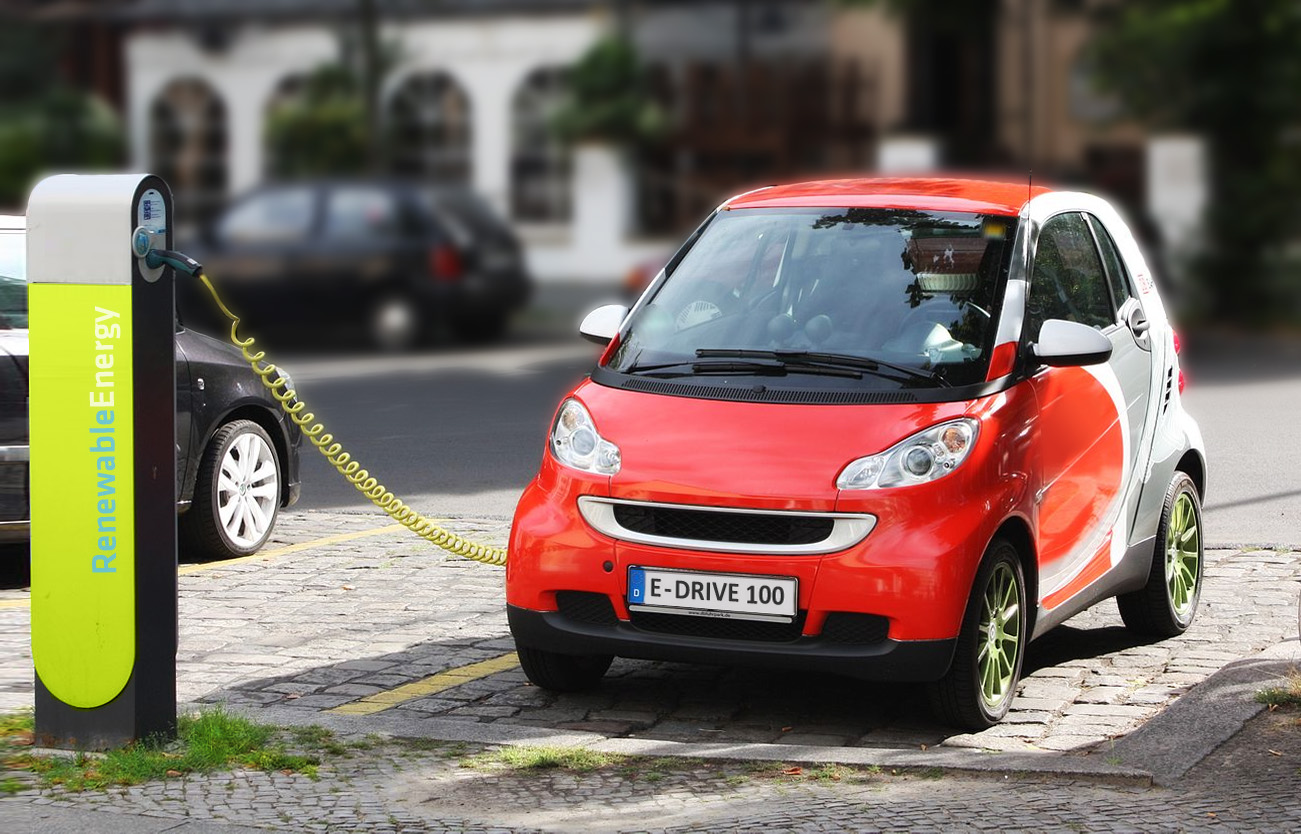
IEEFA recommends linking future government support to verified charger uptime rather than installation counts, a unified payment system across networks, a right to charge for residents with designated parking, and cutting GST on public EV charging and battery-swapping services from 18 per cent to 5 per cent, matching the rate applied to EV purchases. It also proposes time-of-use tariffs so users charge during off-peak or renewable-rich hours.
What This Means For You
If you have home or office charging, today's public network is a backup, not a barrier. If you live in a high-rise without a charging point, this report is your reality check: check functional charger locations near you before buying an EV, not just the charger count on an app.
(Sources: IEEFA report Improving the EV Charging Experience in India, September 2026; Business Standard, EMobility+, EV Infrastructure News, 16-18 September 2026. Images: Wikimedia Commons, CC BY-SA 4.0.)
Related Articles
- Chery's iCAUR V25 Revealed — A Boxy Electric SUV With a Range Extender and a JSW India Link
- Hyundai Bayon India Launch on 26 October — Price, 115 PS Engine, AI Assistant and Level 2 Pro ADAS
- Ultraviolette VX-100 Platform Debuts — Four New EVs in 12 Months, Including the Tesseract Scooter
- Bajaj Pulsar N250SS Launched at ₹1.59 Lakh — Four-Valve Engine, Six-Speed Gearbox and a TFT Console
More on AUTOASTRA: All Articles · News · Reviews · Fuel Prices · Home