Small Cars Stage a Comeback in India — Sales Up 27% This Fiscal After GST 2.0 Cut
By AUTOASTRA Editorial · 27 Sept 2026 · News
India's small car sales grew 27% to 5.9 lakh units in the first five months of FY27 as GST 2.0's 18% rate brings first-time buyers back to showrooms.
India's Small Car Segment Is Growing Again After Two Years of Decline
After shrinking for two consecutive years, India's small car segment has returned to growth — and the numbers suggest this is a policy-driven recovery rather than a blip. Small car sales grew 27 percent to 5.9 lakh units in the first five months of the current fiscal year, according to SIAM data, after recovering 3.2 percent to 13.2 lakh units in FY26 from a low of 12.8 lakh in FY25. To put the slide in context: this segment sold 16.4 lakh units in FY23 before losing nearly a quarter of its volume in two years.
The turning point was the GST 2.0 rationalisation of September 2025, which cut the tax on small cars from an effective 28 percent plus cess to 18 percent. The market response since has been unambiguous: sales of cars attracting 18 percent GST have been growing at around 30 percent, versus about 22 percent for vehicles in the 40 percent bracket. The growth is now clearly stronger among lower-priced vehicles — exactly where affordability, not features, decides the purchase.
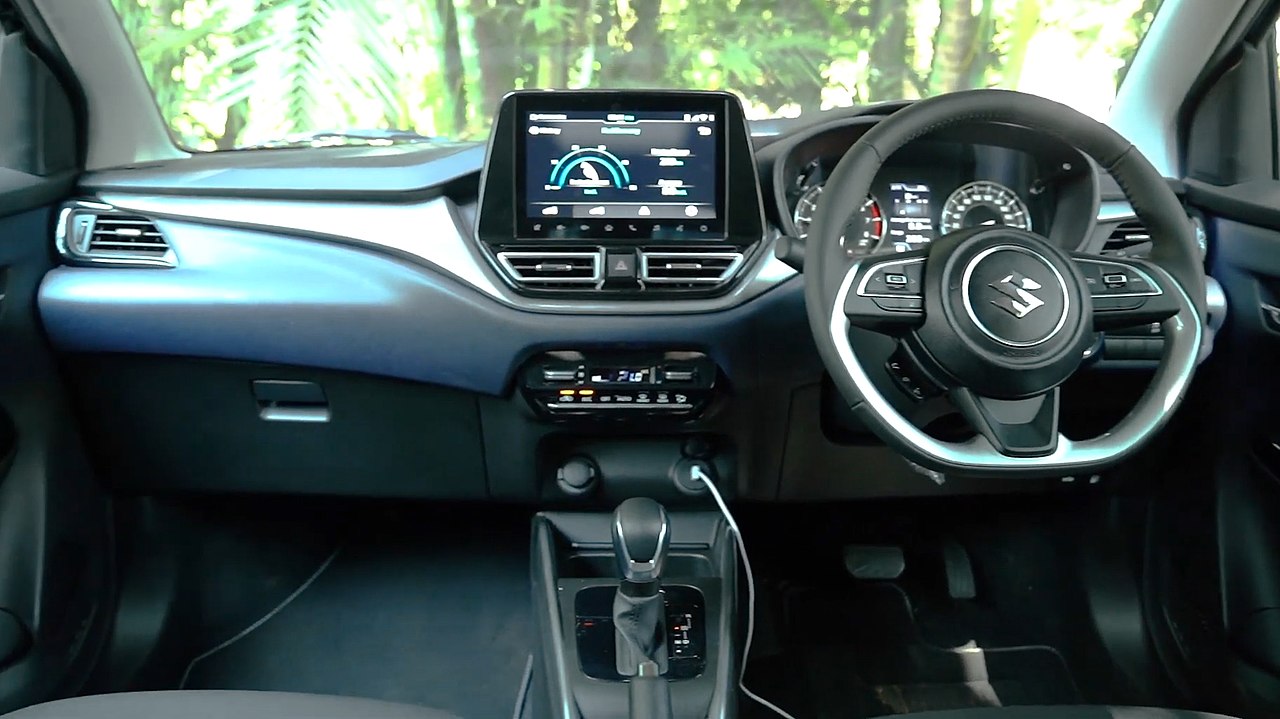
Maruti Suzuki, whose entry segment grew over 96 percent year-on-year between April and August 2026, says the most telling statistic is buyer mix: the share of first-time buyers has risen from 44 percent to 54 percent, back to levels last seen in FY19. Partho Banerjee, senior executive officer for marketing and sales at Maruti Suzuki, notes that a buyer upgrading from a two-wheeler to a first car is not chasing a sunroof — they are simply buying ownership, which makes this market extremely sensitive to cost. Maruti has held starting prices of its key small-car models unchanged since the GST revision despite significant commodity and input-cost pressure, and the WagonR alone still sells about 21,000 units a month despite the SUV boom.
| Small Car Sales Trend (SIAM) | Units | Change |
|---|---|---|
| FY23 | 16.4 lakh | - |
| FY24 | 14.5 lakh | -11.4% |
| FY25 | 12.8 lakh | -11.7% |
| FY26 | 13.2 lakh | +3.2% |
| Apr-Aug FY27 | 5.9 lakh | +27% |
The product pipeline is responding too. Maruti recently unveiled the refreshed Baleno with added features and promises continued refreshes regardless of segment momentum, while Hyundai has indicated an upgraded i10 is coming. That matters because analysts point out the segment's revival needs new launches to sustain excitement — most recent action has been concentrated in UVs. The underlying headroom is enormous: India has a two-wheeler parc of around 27 crore while car penetration sits at just 34 cars per 1,000 people, so every percentage point of two-wheeler-to-car conversion represents lakhs of first-time buyers.

What this means for you: this is the best time in years to buy a hatchback or compact car, because competition is chasing returning first-time buyers with fresh product and held-down prices — and expect festival offers to be aggressive in exactly this bracket. If you are choosing between a ₹6-9 lakh hatchback and a stretched-budget compact SUV, our variant-value analyses at AUTOINDIA and the Compare page will help you decide where the money is better spent.
Few times ago peoples thinking that small car market is now finished like Sedans but this data shows something diffrent !
Sources: The Times of India small car revival report, 26 September 2026; SIAM data; Maruti Suzuki management commentary; GST 2.0 impact analysis via JATO Dynamics. Images: Wikimedia Commons — Maruti Suzuki Baleno current-generation, CC BY 3.0.
=========================================================Related Articles
- Chery's iCAUR V25 Revealed — A Boxy Electric SUV With a Range Extender and a JSW India Link
- Hyundai Bayon India Launch on 26 October — Price, 115 PS Engine, AI Assistant and Level 2 Pro ADAS
- Ultraviolette VX-100 Platform Debuts — Four New EVs in 12 Months, Including the Tesseract Scooter
- Bajaj Pulsar N250SS Launched at ₹1.59 Lakh — Four-Valve Engine, Six-Speed Gearbox and a TFT Console
More on AUTOASTRA: All Articles · News · Reviews · Fuel Prices · Home